Understanding Everyday Personal Care Practices for Men
An informational resource exploring daily grooming habits, personal hygiene awareness, and the cultural context of men's care routines in everyday life.
Explore the topic further
An informational resource exploring daily grooming habits, personal hygiene awareness, and the cultural context of men's care routines in everyday life.
Explore the topic further
Exploring how daily care practices become integrated into everyday life

Personal care routines represent a collection of daily habits that individuals incorporate into their morning and evening schedules. These practices vary significantly across different cultures, climates, and personal preferences.
The concept of a care routine encompasses various activities related to skin cleansing, moisturizing, and general hygiene maintenance. Rather than following prescribed steps, many individuals develop personalized approaches based on their lifestyle circumstances.
Understanding these routines from an informational perspective helps contextualize how different factors influence daily care decisions without suggesting any particular approach as superior.
This content serves educational purposes only. Individual approaches to personal care vary widely, and this information does not constitute personalized recommendations or replace individual decision-making processes.
Examining regional perspectives on daily care practices
In Indonesia, personal care practices among men have evolved within a unique cultural and environmental context. The tropical climate, with its high humidity and temperatures, naturally influences how individuals approach their daily routines.
Traditional perspectives on grooming have merged with contemporary awareness, creating diverse approaches across different generations and regions. Urban and rural contexts often present different considerations for daily care habits.
The Indonesian archipelago's geographical diversity means that personal care practices may vary between coastal areas, mountainous regions, and densely populated cities, each presenting distinct environmental factors.

Understanding the structure of daily care timing
Morning routines typically address the natural processes that occur during sleep. Many individuals find that their skin and hair present different characteristics upon waking compared to other times of day.
The morning period often coincides with preparation for daily activities, whether work, social engagements, or other commitments. This timing context influences how individuals allocate time for personal care.
Evening routines often focus on addressing the accumulation of environmental factors throughout the day. Exposure to various elements during daily activities creates different care considerations.
The transition from active hours to rest periods represents a common time for individuals to attend to personal hygiene, though specific practices vary based on individual circumstances and preferences.
Timing and frequency of personal care activities are highly individual matters. The information presented describes general patterns observed in everyday contexts without advocating for specific schedules.
How external factors relate to personal care awareness

High humidity environments, common in tropical regions, create specific conditions that individuals may consider in their daily routines. Moisture in the air interacts with skin and hair in ways that vary by individual.

City living often involves exposure to various environmental elements throughout the day. Transportation, workplace conditions, and outdoor activities each present different contextual factors for personal awareness.
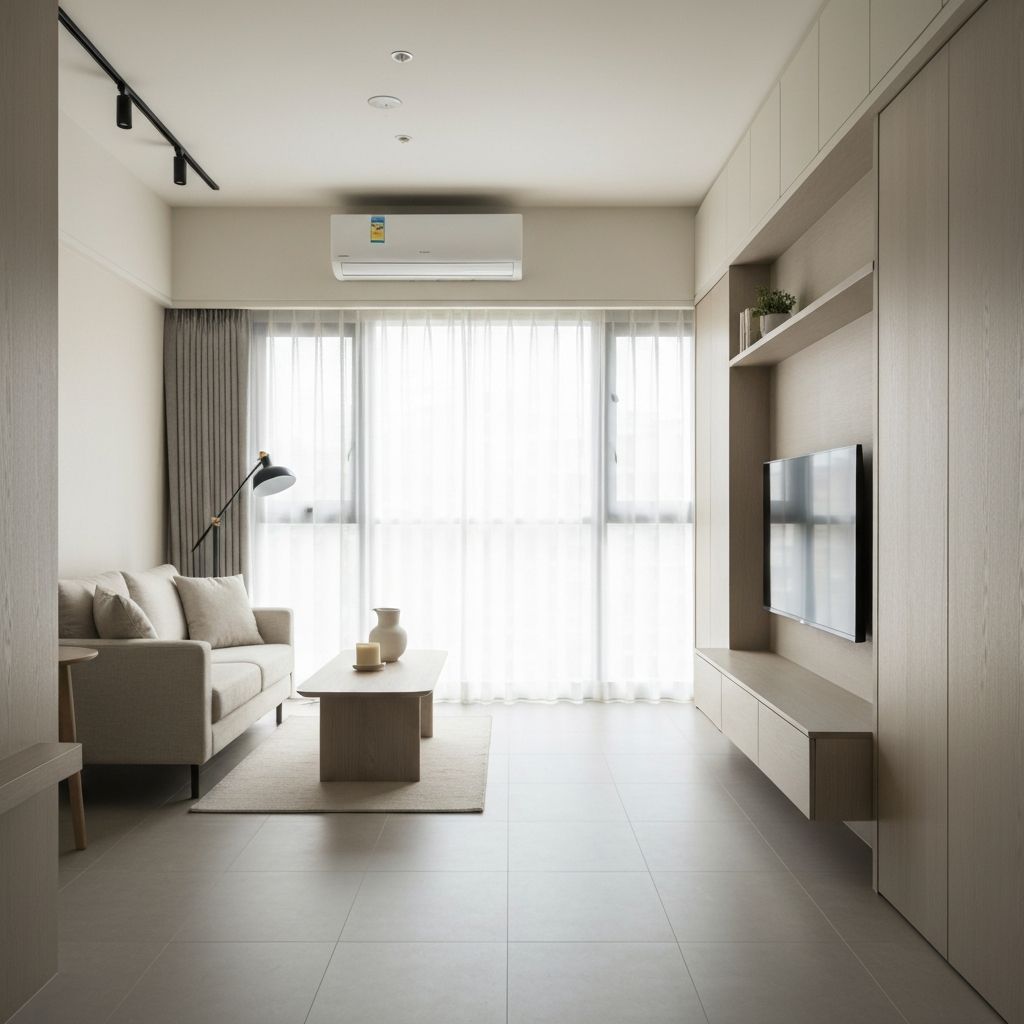
Air conditioning, heating systems, and indoor air quality represent factors that some individuals consider in relation to their personal care habits. These controlled environments create specific micro-climates.
An informational overview of common product categories
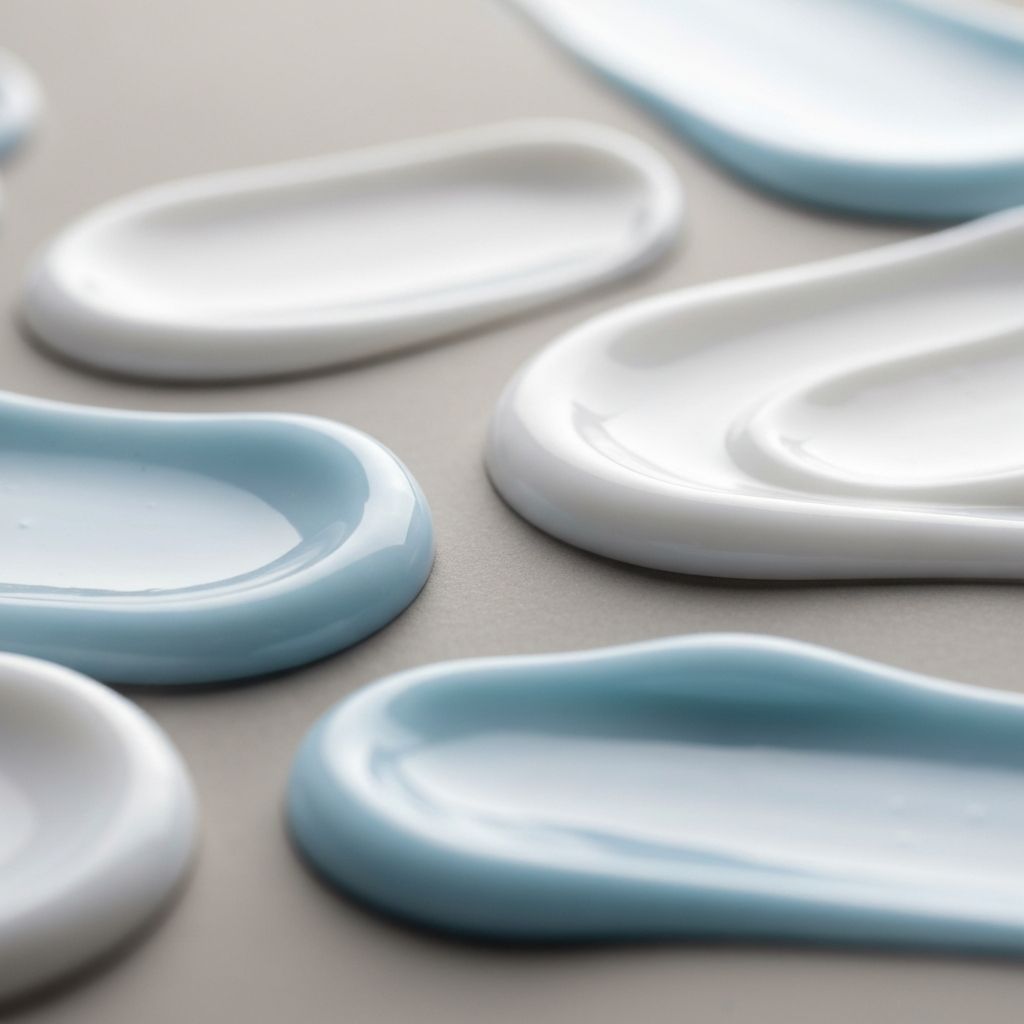
Personal care products exist in various physical formats, each with distinct characteristics. Common categories include liquid formulations, gel-based products, cream textures, and foam preparations.
The selection of product formats often relates to individual preferences regarding application experience, absorption characteristics, and sensory factors. Climate conditions may also influence format preferences for some individuals.
Understanding the general categories of product formats provides context for how individuals might describe their personal care experiences, without suggesting particular formats as preferable.
Product format descriptions serve informational purposes only. Individual experiences with different formats vary widely, and this content does not evaluate or compare specific products or brands.
Exploring different approaches to daily care structure
Some individuals prefer streamlined routines that focus on a small number of daily habits. This approach prioritizes efficiency and may suit those with time constraints or preferences for simplicity.
Minimalist approaches to personal care vary in their specific composition, with different individuals defining simplicity according to their own contexts and priorities.
The concept of consistency in personal care relates to how individuals maintain habits over time. Regular patterns may develop naturally based on daily schedules and lifestyle factors.
Consistency itself takes different forms, from strict daily adherence to more flexible approaches that adapt to changing circumstances and seasonal variations.
Understanding individual factors in care decisions
Personal care decisions emerge from a combination of individual awareness, cultural influences, and practical circumstances. Each person develops their approach based on their unique combination of these factors.
Self-awareness regarding personal characteristics and preferences plays a role in how individuals approach their daily routines. This awareness develops over time through experience and observation.
The diversity of approaches to personal care reflects the broader diversity of individual circumstances, priorities, and lifestyle contexts that exist across any population.
Personal care is an individual matter influenced by many factors. This content provides general educational context without suggesting that any particular approach is correct or recommended for specific individuals.
Common inquiries about personal care concepts
A personal care routine generally refers to the collection of daily habits an individual performs related to hygiene and grooming. These routines vary significantly between individuals and cultures, encompassing activities that occur at different times throughout the day based on personal schedules and preferences.
Environmental conditions such as humidity, temperature, and air quality represent contextual factors that individuals may consider in their daily routines. Tropical climates like Indonesia present different environmental characteristics than temperate or arid regions, which may influence personal awareness and habits.
This resource provides informational content about everyday personal care concepts for educational purposes. It does not offer personalized recommendations, product evaluations, or guidance for specific situations. The content aims to provide context and general awareness about how personal care practices exist in everyday life.
No. This resource is strictly informational and educational. It does not provide recommendations, advice, or suggestions for personal care practices. Individual decisions about personal care are personal matters that depend on individual circumstances, preferences, and considerations that only the individual can assess.
Personal care practices and awareness vary across different demographic contexts. This resource focuses on men's everyday care practices as a specific topic area for educational content, examining how cultural, environmental, and lifestyle factors relate to daily routines in this context.
Dermavo
Jl. Cipete Raya No. 18, Jakarta Selatan, Indonesia
Phone: +62 85 7 39 602 18
Email: [email protected]
This contact information is provided for inquiries related to the educational content on this website. We do not provide personal care consultations or recommendations.
Explore additional educational content about personal care awareness and daily routines.
Read the background context